The Swedish Research Council Seminar 2021

With the Expert Group for Laboratory Animal Science

Program

2021-12-03

09.00 Welcome
”The current state of animal research (including the EU parlament resolution”
Lena Uller, and Madeleine Durbeej-Hjalt

09.20 Presentation
“The importance of humanizing mice”
Jan Nedergaard, Stockholm University

09.55 Break

10.10 Updates from the Swedish 3R-center
Cecilia Bornestaf

10.25 Updates from Research Without Animal Experiments
Karin Gabrielson Morton

10.40 Updates from the Central Ethical Review Board for Animal Research
Ann-Christine Eklöf

10.55 Activity

11.05 Break

11.20 Key note speaker
“Animal studies and non-animal alternatives in Covid-19 research”
Professor Coenraad Hendriksen, University of Utrecht

12:20 Activity

12.30 Closing

man standing in front of people sitting on red chairs
black and white mouse
soft focus of mice through walls

Thoughts

Jan Nedergaard’s presentation adressed the physiological changes that would occur if the microenvironment (housing) temperature would increase from around 20 to 30 degrees celcius. Apparently in many cases when kept at higher temperatures, the mouse physiology will be more similar to the that of humans – something that could potentially improve translatability of animal models to human subjects.

In previous studies, increasing the housing temperature from 20 to 30 degrees celcius has been shown to reduce their physical activity, reduce their basal metabolic rate, and consequently result in the mice developing larger body sizes (of which the increase is mostly driven by fat accumulation). Interestingly, although based on very preliminary data, it seems that this could increase life expectancy as this phenotype was associated with longer life.

While translatability of animal research is of great importance, we should never forget to treat them humanely and ensure they have as good quality of life as can be arranged. If increasing the temperature from 20 to 30 degrees celcius reduces their physical activity, does this mean that they will become less sociable and reduce their playtime? If the mice get larger, will this mean that the maximum count per cages will have to be reduced? If so, this could increase the risk of social isolation. These points were never bought up or adressed during the presentation. Will increasing the temperature only bring sunshine and roses, or could there be some negative consequence which we haven’t thought of yet?
The Exercise Names Survey

Participants needed!

James L. Nuzzo (PhD, Postdoctoral Fellow at Neuroscience Research Australia) and James Steele (PhD, Associate Professor at Solent University) are conducting a study on how exercises are named and communicated. It’s a cross-sectional, survey study, and participation is estimated to take 8-10 minutes (Survey URL). What do you call certain exercises? Fill in the survey, and discuss at the end what importance (if any) this has.

1. PROJECT TITLE: Exercise Names Survey

2. RESEARCHERS: Dr. James L. Nuzzo, Dr. James Steele

3. PURPOSE: The purpose of this survey is to learn about how exercises are named and communicated.

4. ELIGIBILITY: You must be 18 years of age or older to take this survey.

5. PROCEDURES: If you choose to participate in this survey, you will look at photographs of exercises and be asked if you recognise the exercises and what you personally call the exercises. The survey takes about 10 minutes to complete. The survey is not a test of knowledge.

6. VOLUNTARY PARTICIPATION: Your participation in this survey is completely voluntary. You do not have to participate in this survey if you do not want to. If you do not wish to answer a question, you may skip it and go to the next question or you may stop the survey immediately.

7. POSSIBLE RISKS: There are no known risks to participating in this research project.

8. POSSIBLE BENEFITS: This research is not expected to provide direct benefits to you.

9. COMPENSATION: There is no compensation, financial or otherwise, for participation in this survey.

10. PRIVACY AND CONFIDENTIALITY: Your responses will be anonymous and confidential. We will not ask your name or any other directly identifiable personal information. Your answers will be grouped together with responses from other survey takers. We intend to publish the survey results in a research journal and to present the results at research conferences. We are not collecting your name or other identifying information and therefore your name or other identifying information will not be included in any publications or presentations of the survey results.

11. CONFLICTS OF INTEREST: Dr. James L. Nuzzo, the Chief Investigator of this research study, is the Head of Exercise Science Research at Vitruvian and an Adjunct Lecturer at Edith Cowan University. Vitruvian is a private company that designs and sells exercise equipment. Results from this study might help to improve products and services offered by Vitruvian and other companies, organisations, and institutions. Results from the study will be shared with Human Kinetics and the National Strength and Conditioning Association.  

12. RESEARCH APPROVAL: This research project has received the approval of Edith Cowan University’s Human Research Ethics Committee, in accordance with the National Health and Medical Research Council’s National Statement on Ethical Conduct in Human Research 2007 (Updated 2018). The approval number is 2021-02687-NUZZO.

If you have any questions about your rights as a survey participant, you can contact a Research Ethics Support Officer at Edith Cowan University by email at research.ethics@ecu.edu.au or by phone at +61 8 6304 2170. If you have questions about the study purpose and procedures, you can contact the Chief Investigator Dr. James L. Nuzzo by email at j.nuzzo@ecu.edu.au.

Survey URL

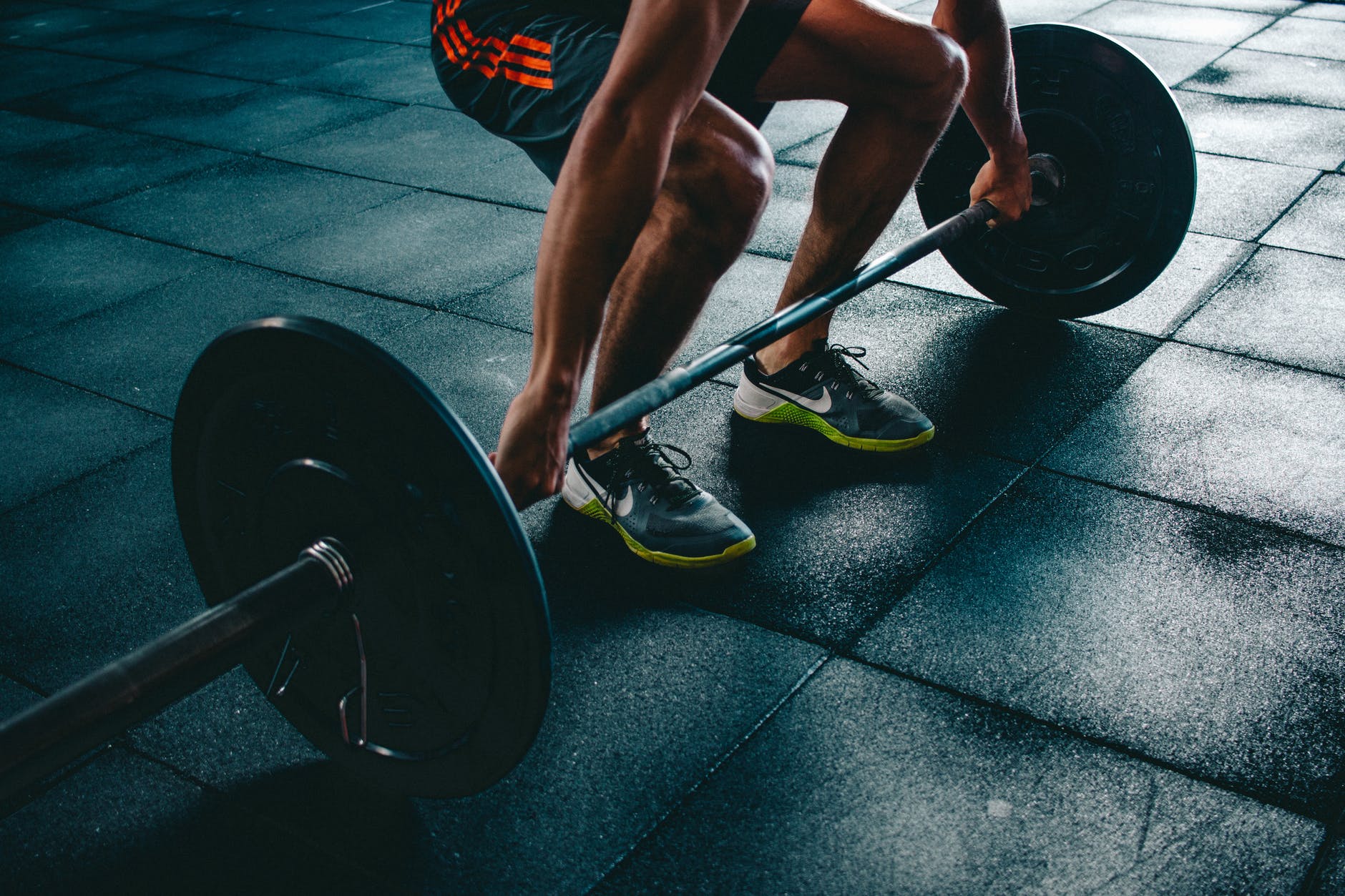
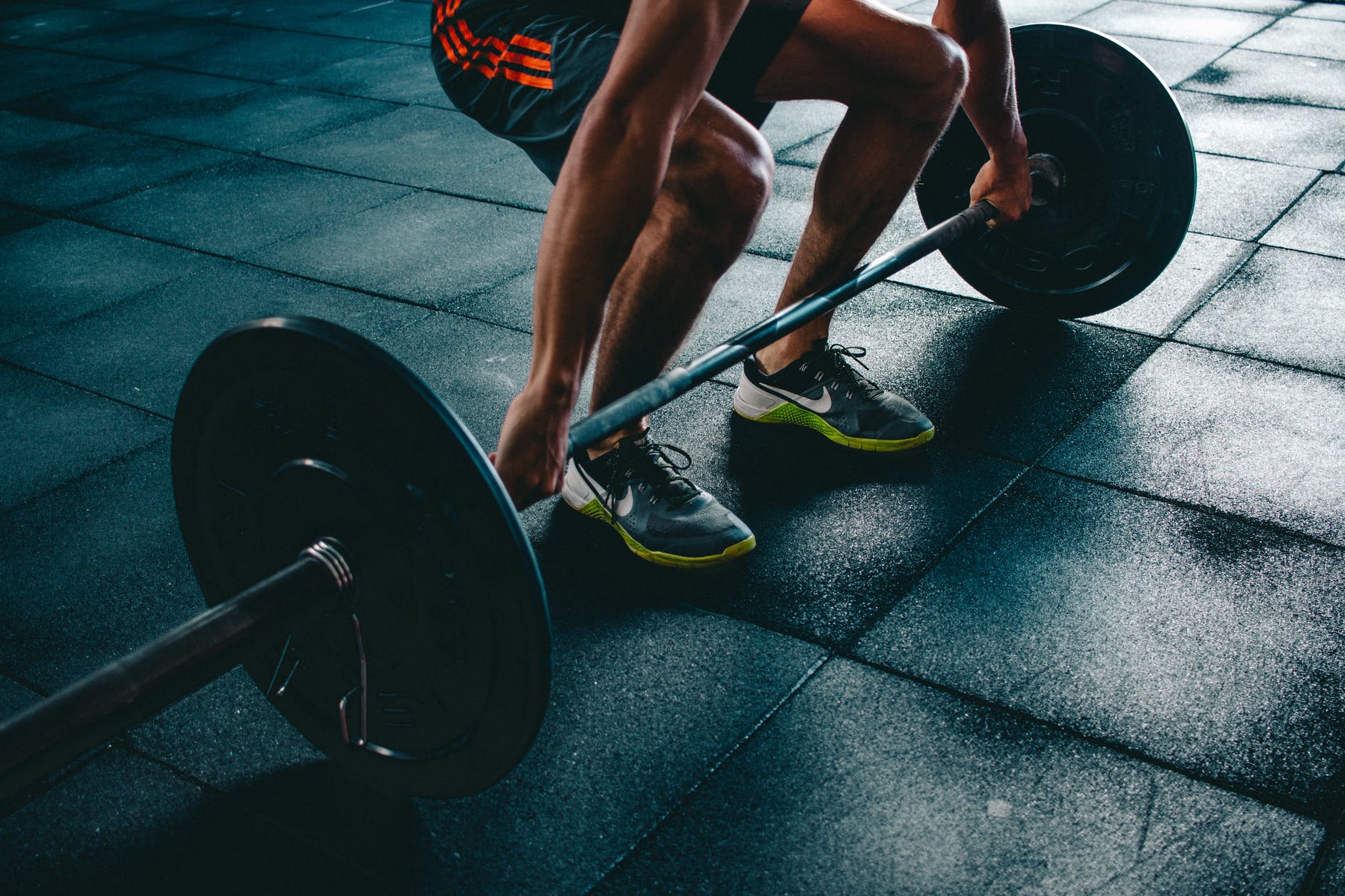
person holding barbell
Photo by Victor Freitas on Pexels.com

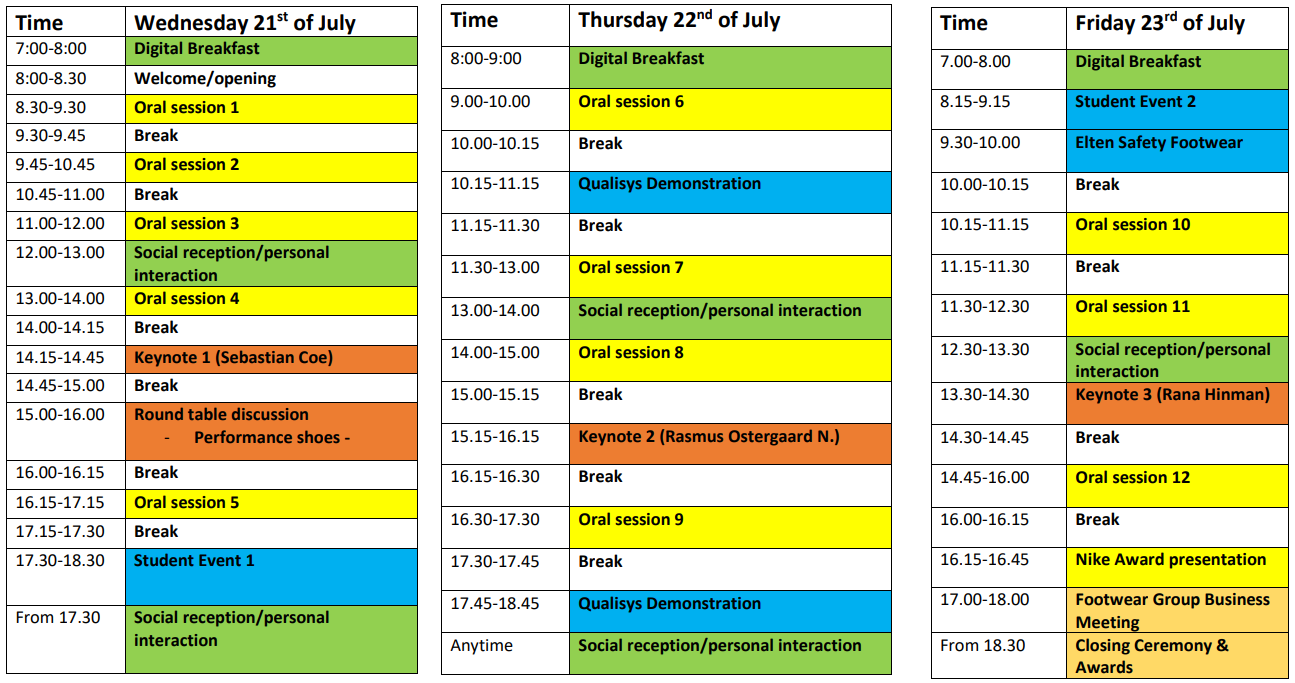
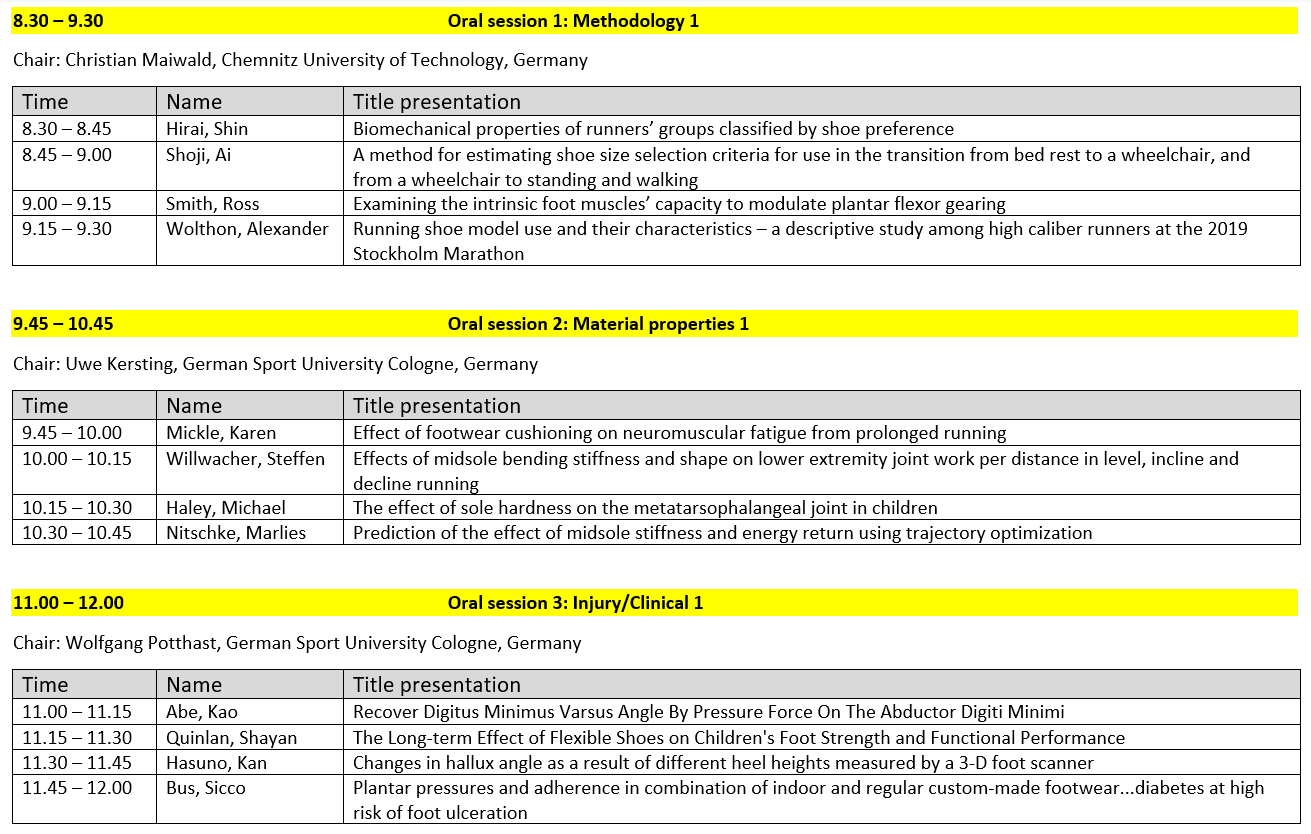
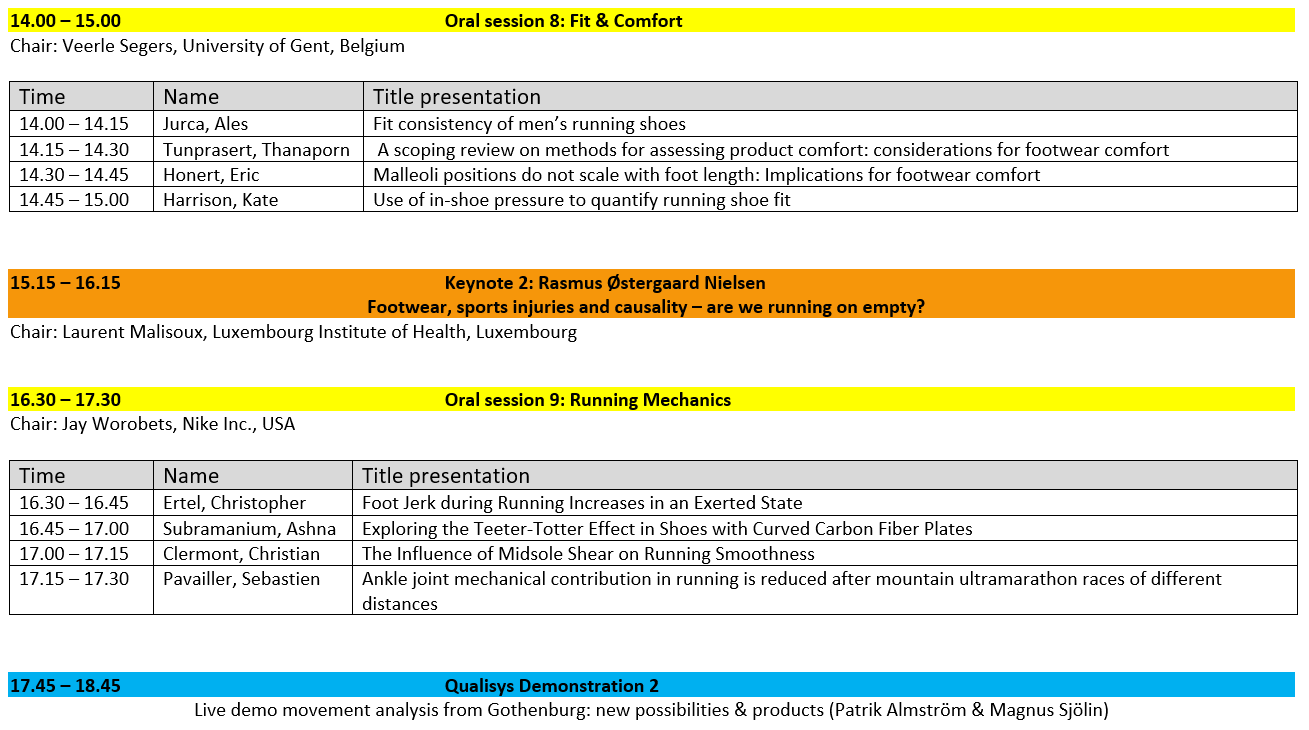
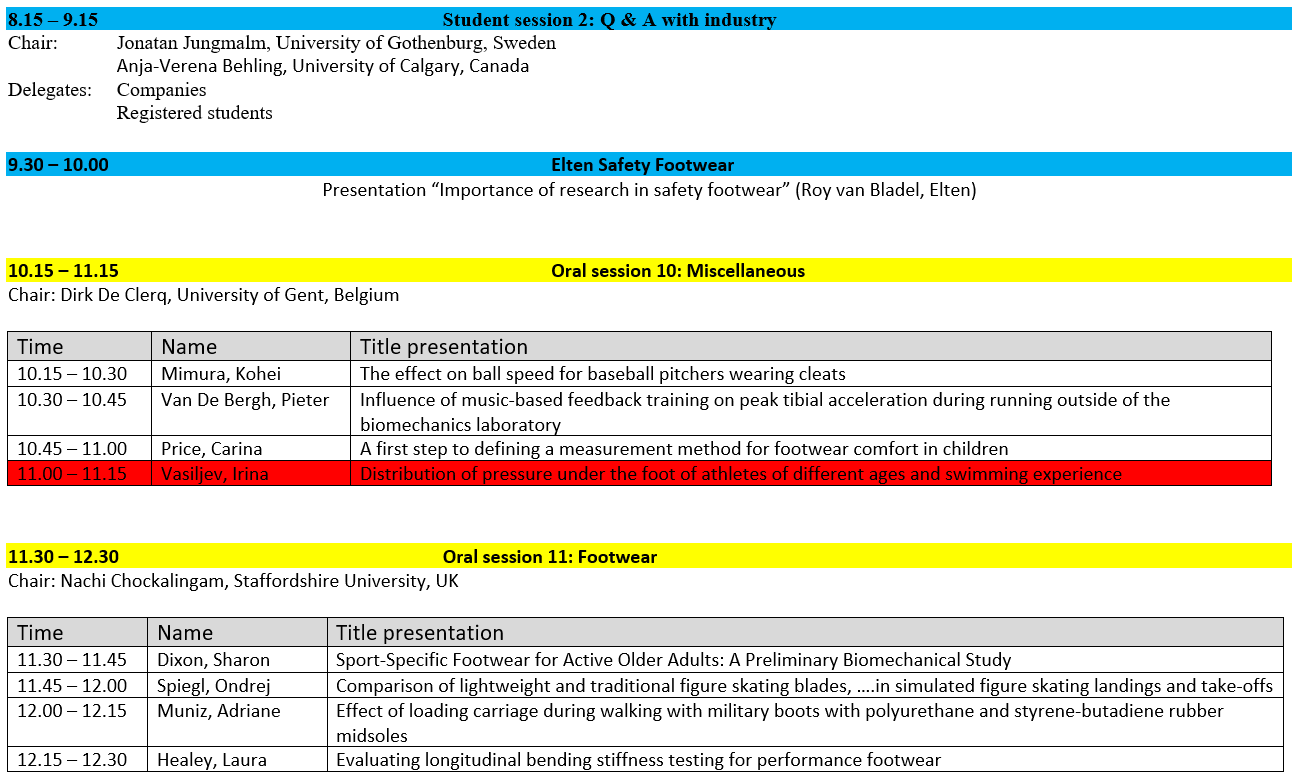
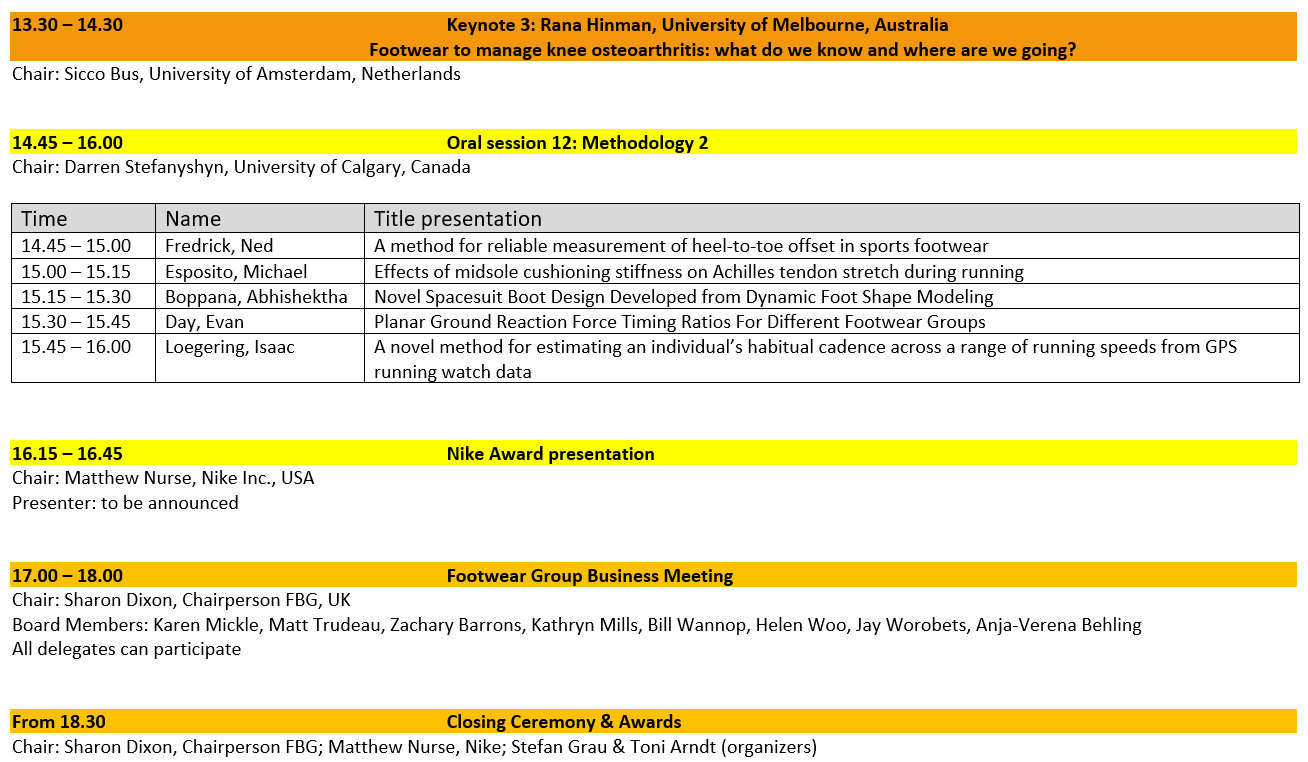
The 15th biennial Footwear Biomechanics Symposium

Official program

Keynote presentations

Sebastian Coe

Rasmus Østergaard Nielsen: Footwear, sports injuries and causality – are we running on empty?

Rana Hinman: Footwear to manage knee osteoarthritis: what do we know and where are we going?

Round Table Discussion

Performance shoes – what are they and do we need them?