Introduction
The Stockholm Marathon and Stockholm Mini Marathon datasets, while publicly accessible online, often present information in a fragmented manner, limiting the ability to perform comprehensive analyses. To address this, advanced web scraping techniques were employed using the R programming language and tools such as RSelenium and rvest. This approach has facilitated the aggregation of over half a million records between 1979 and 2023, enabling a detailed analysis that was previously not feasible.
Stockholm Marathon (1979-2023)
Age and Participation Trends
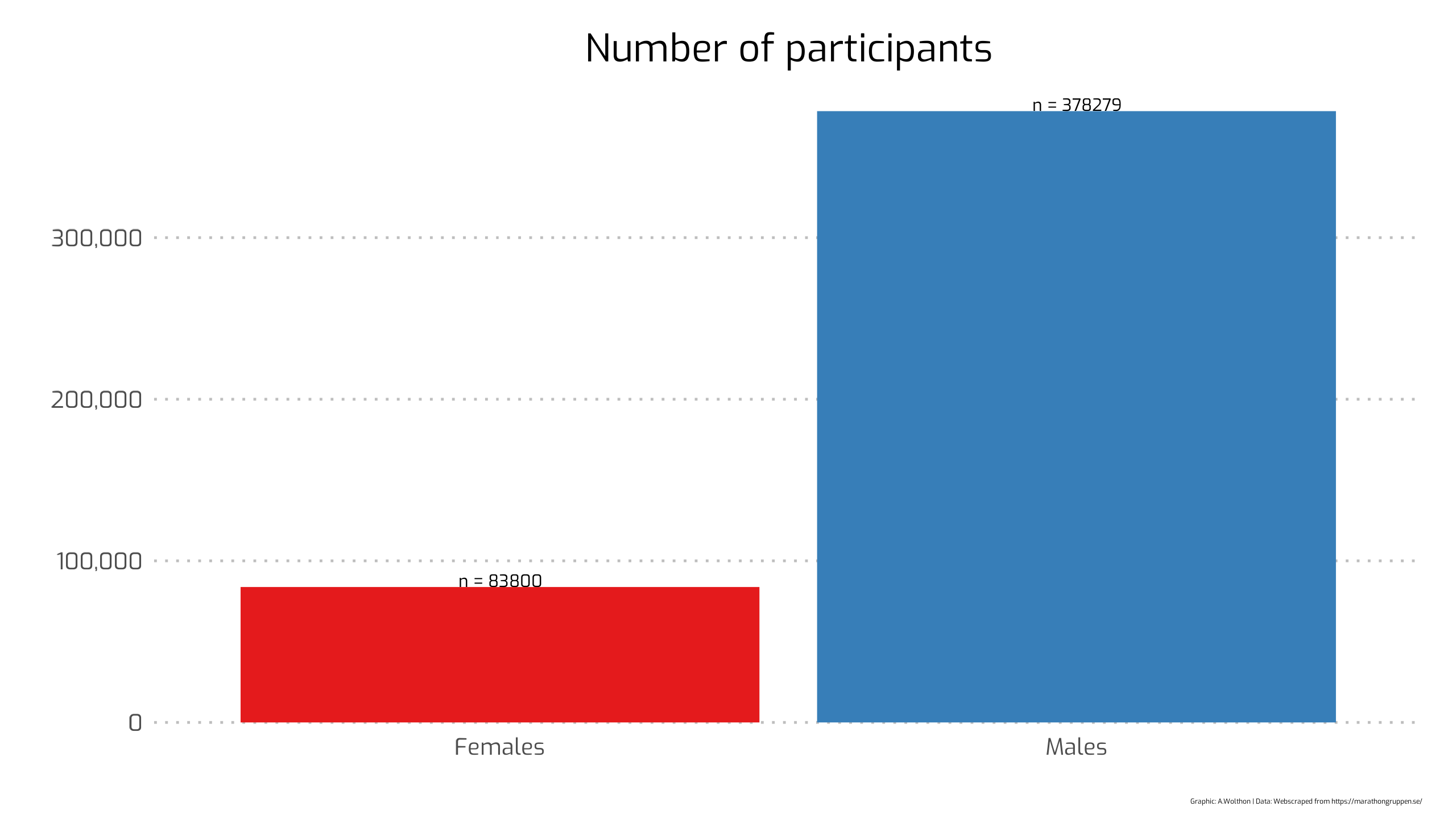
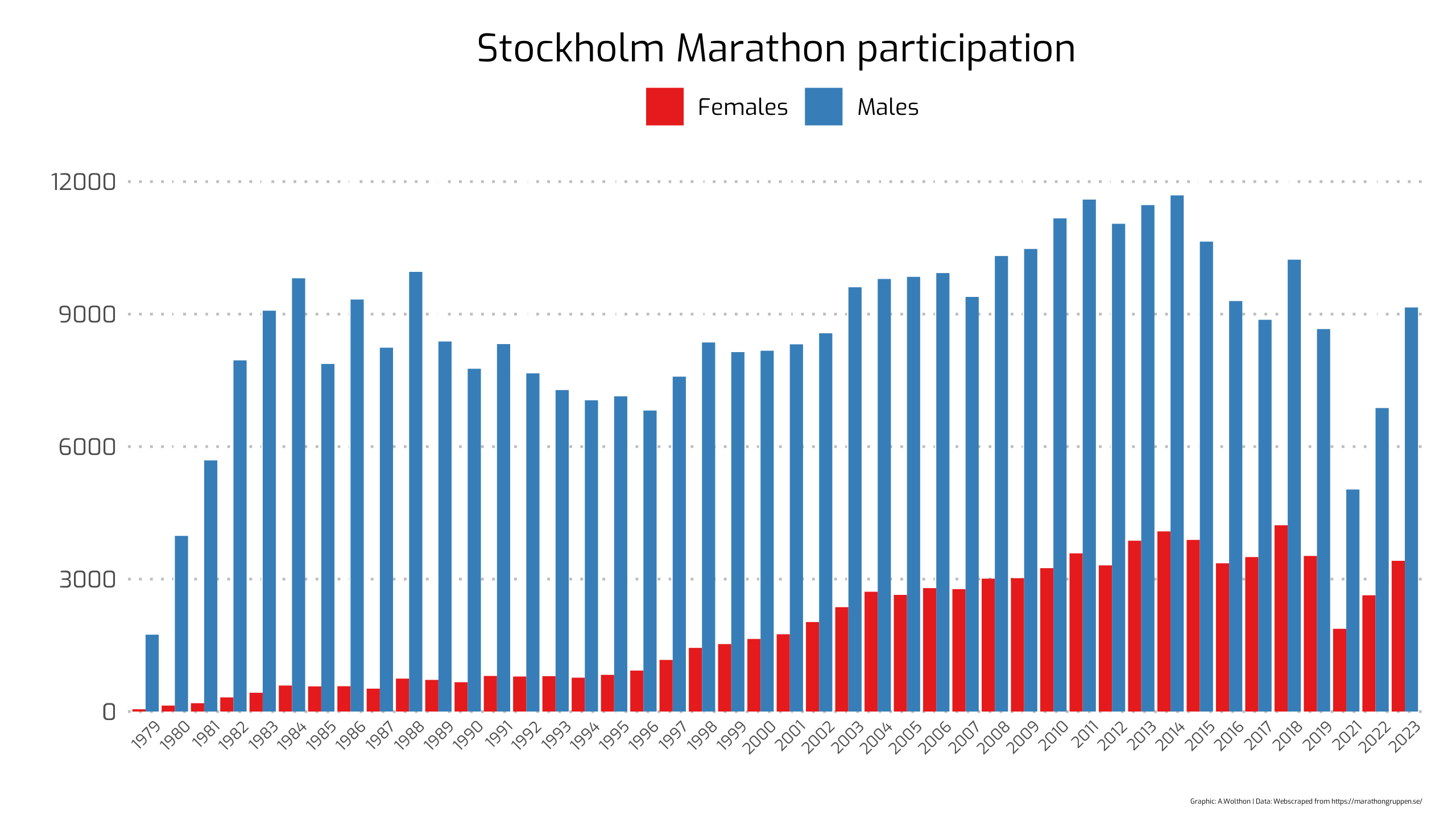
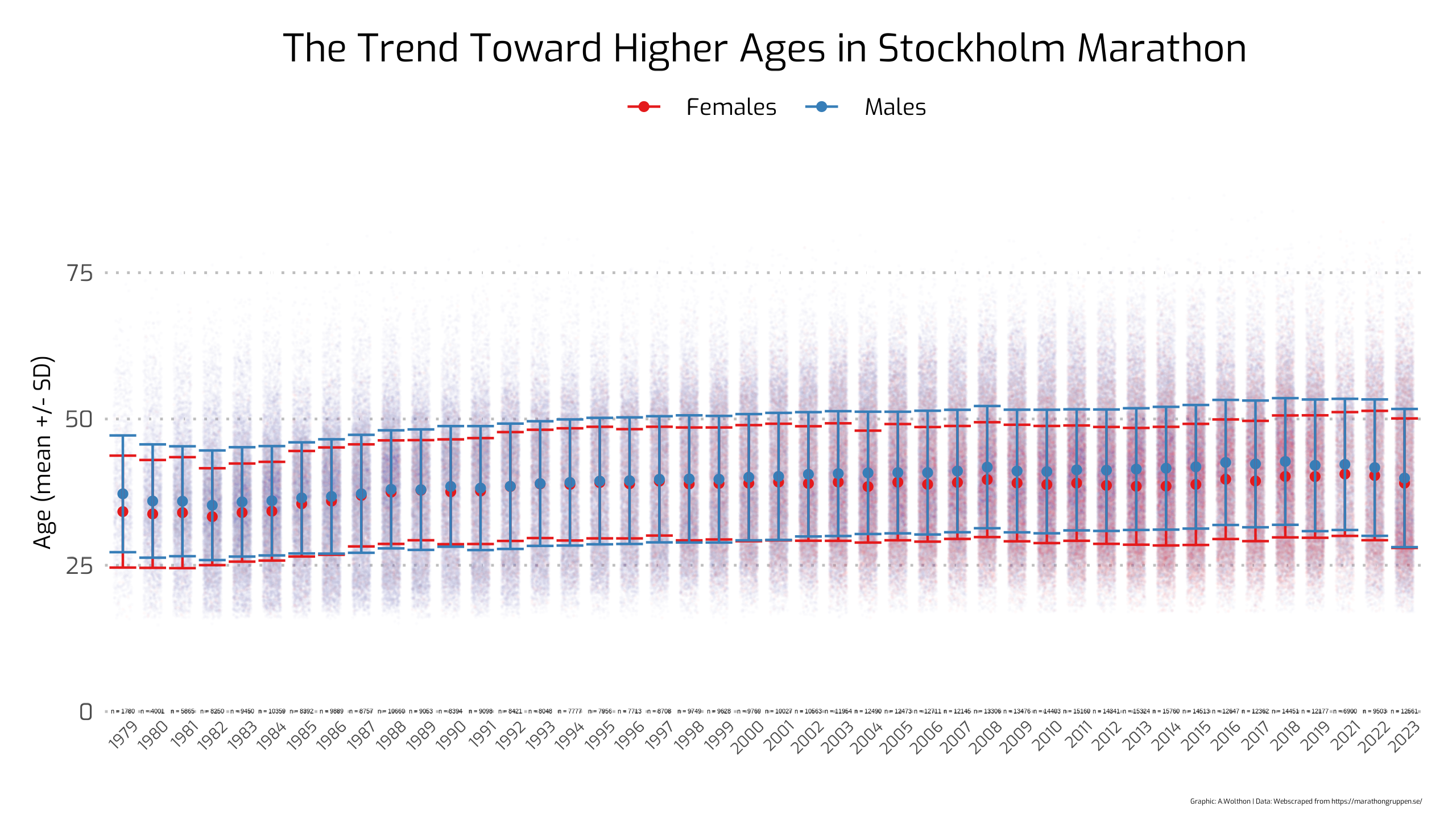
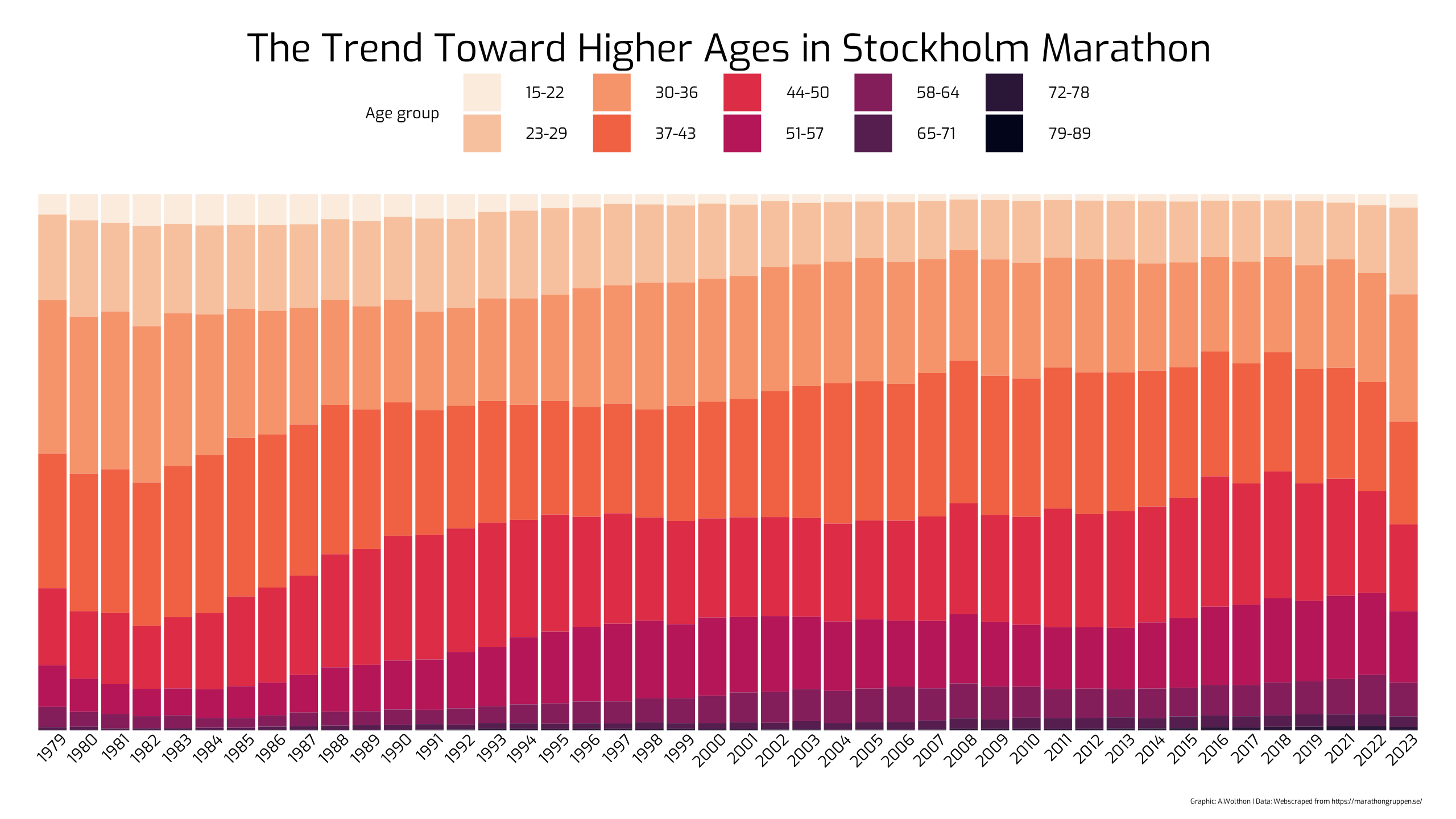
Analyzing participation by year, it is evident that many more males than females have historically participated in the marathon. However, there is a noticeable increase in female participation over the years, indicating a positive trend toward gender parity in marathon events. The age distribution chart shows a broad range of ages among participants, with a significant number of both males and females competing in the marathon across various age groups. This demonstrates the marathon’s appeal to diverse age demographics. Both categorical and continuous age data indicate a mild increase in the average age of participants over time. This may suggest that the marathon attracts an older demographic as the years progress, possibly reflecting changes in fitness culture and long-distance running appeal among older age groups.

Running Speed
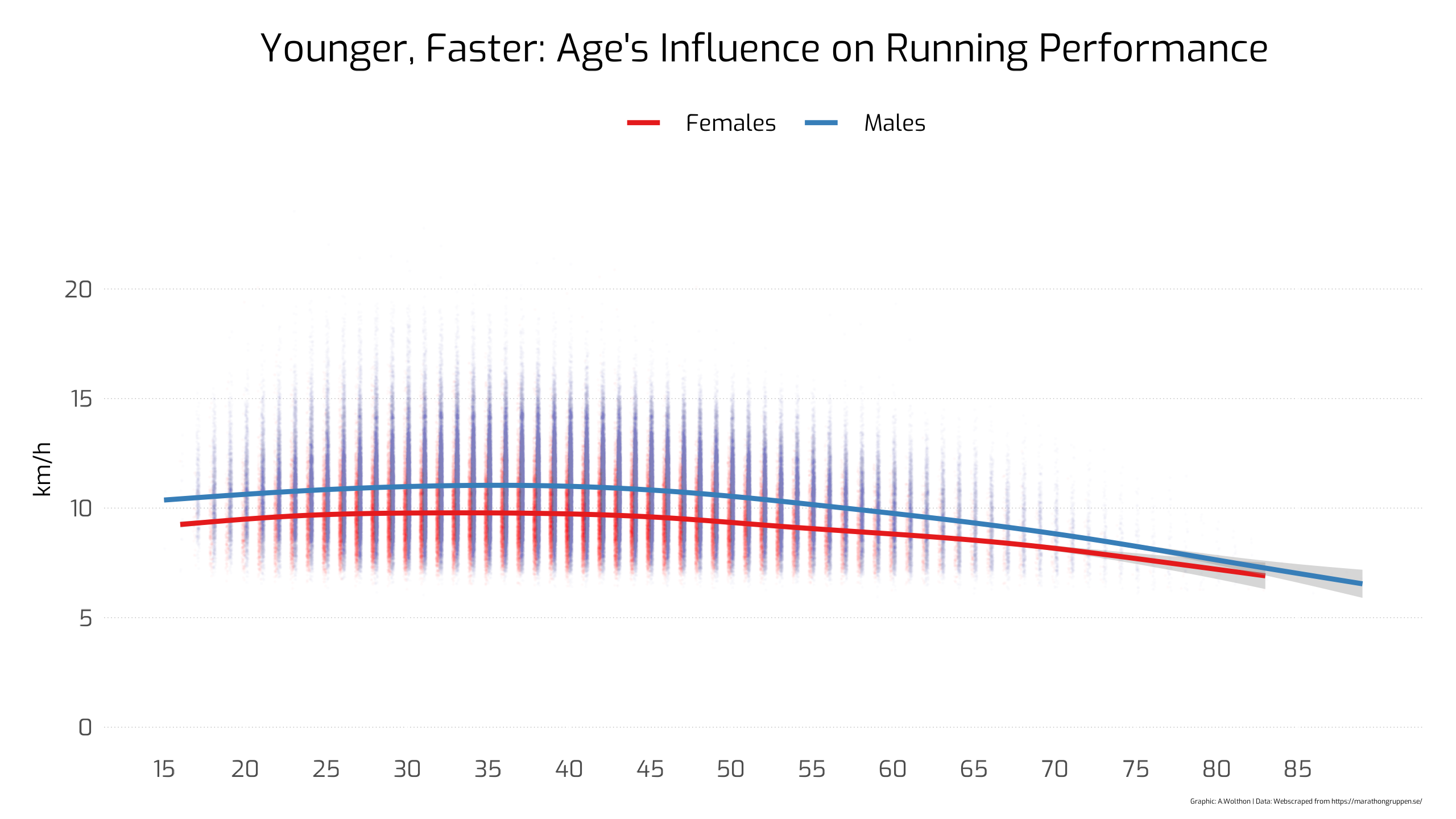
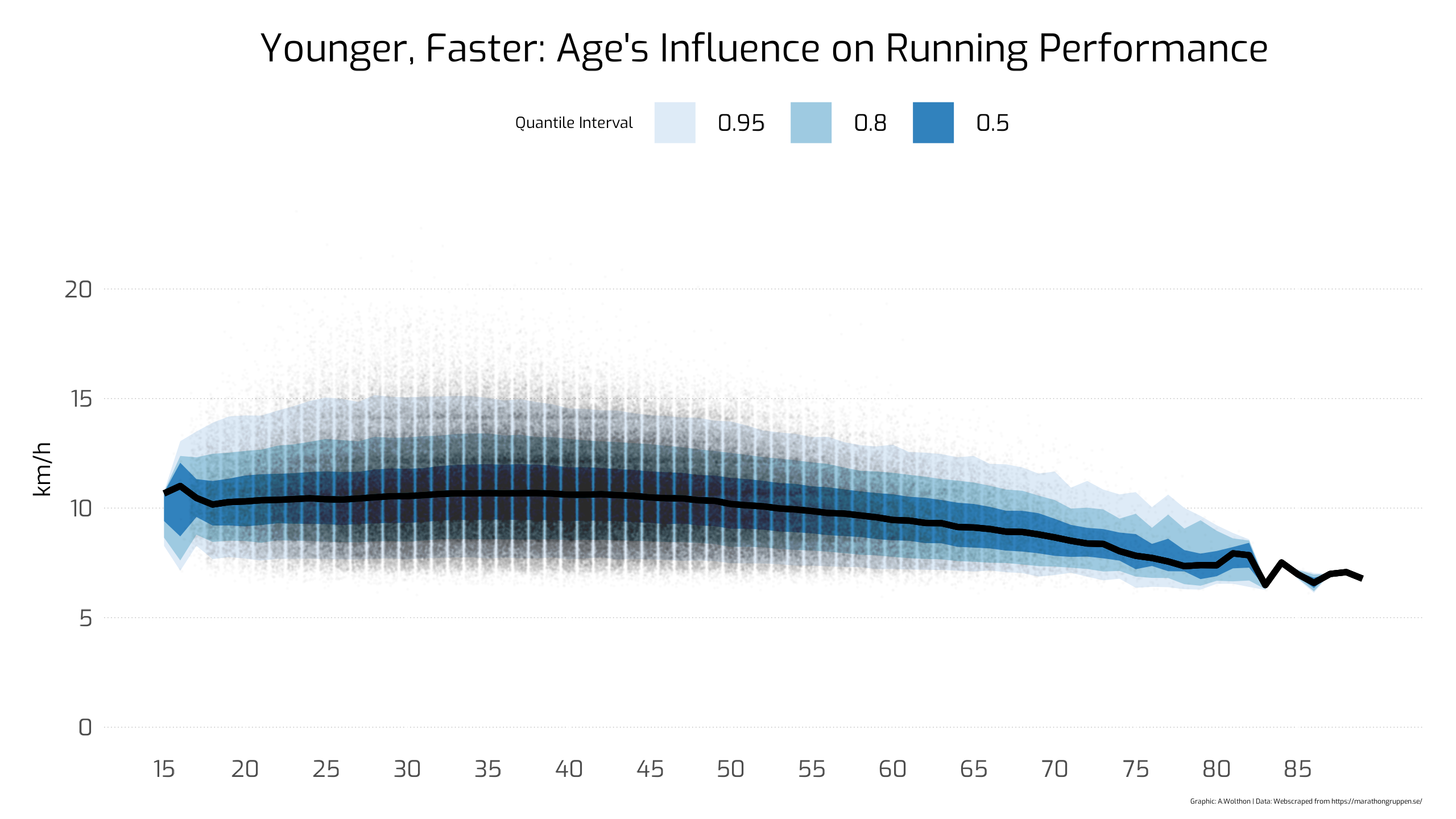
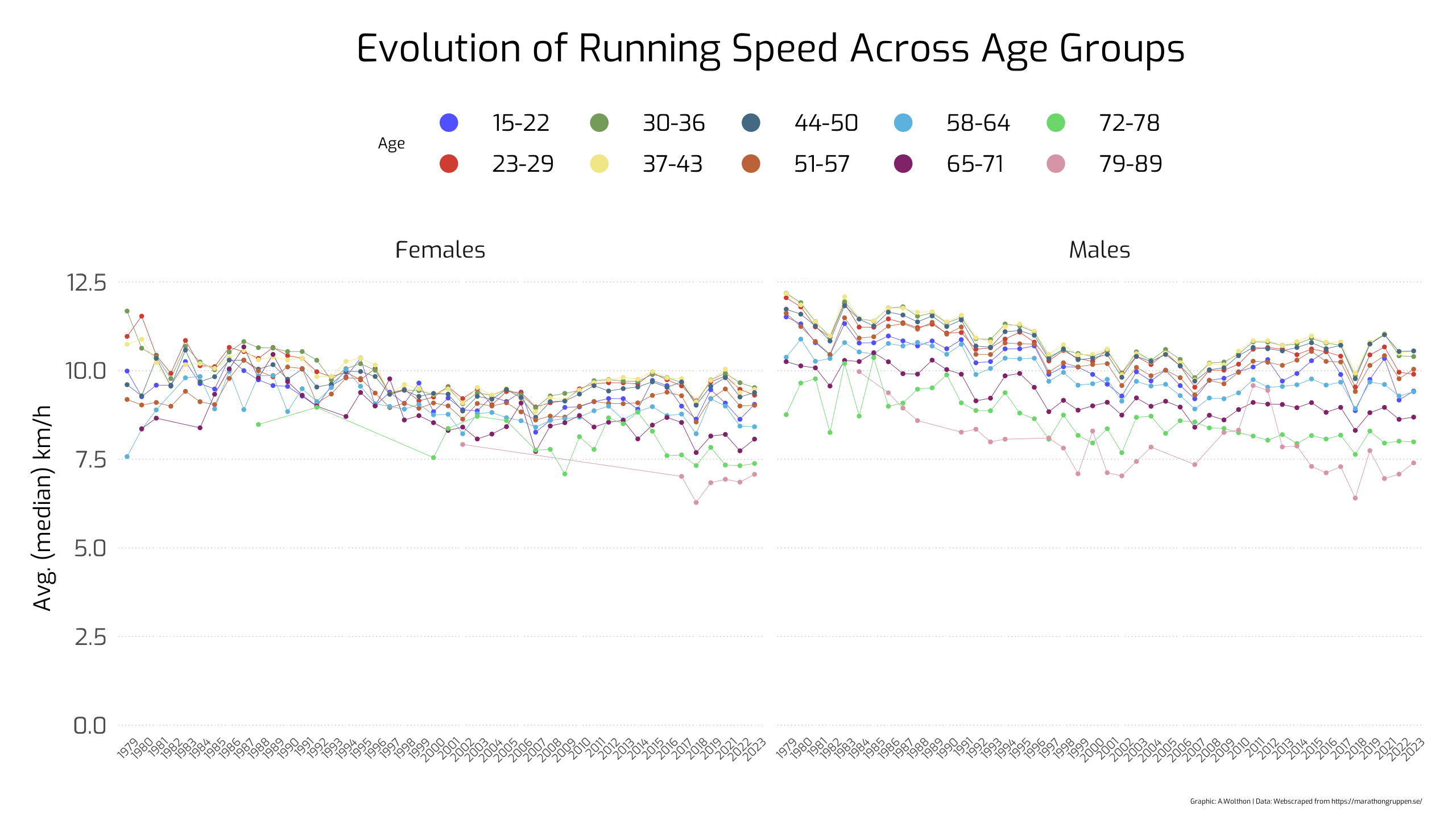
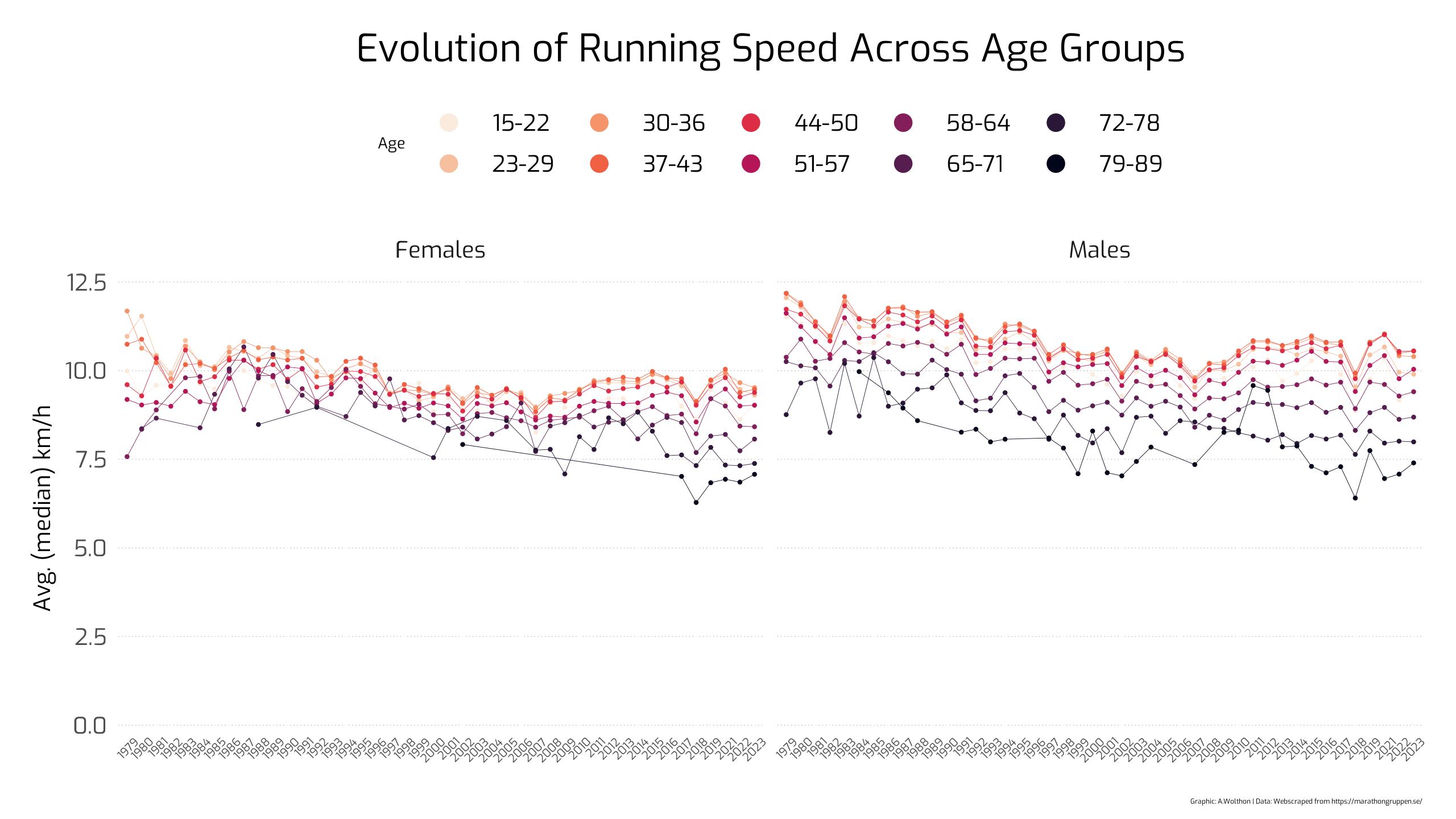
Running speed data reveals that the highest running speeds are among participants aged approximately 25 to 35 years old. This age group consistently demonstrates the highest running speeds, highlighting the optimal age range for marathon performance. When examining performance by age and sex, it is clear that males generally run faster than the females across all age groups. This performance gap is consistent, although both sex show similar age-related performance trends. The data illustrates that younger age groups, aside from the youngest group of 15-22 years, tend to perform better than older age groups. This trend is consistent for both males and females, indicating that age is a significant factor in marathon performance.
Finishing Times
The finishing time distribution shows that males tend to have faster marathon completion times compared to females. This consistent pattern aligns with the running speed data, reinforcing gender differences in marathon running speeds. The finishing time analysis over the years further confirms that males generally have faster finishing times than females, with a slight improvement in performance observed over time. An outlier in 2018 suggests a potential anomaly, possibly due to external factors like track or weather conditions.


Conclusion
The comprehensive dataset compiled from the Stockholm Marathon records offers valuable insights into participation trends, age demographics, and performance metrics. The increasing participation of females and the slight age shift in participants underscore evolving dynamics in marathon running. While sex differences in performance persist, the data highlights the diverse and inclusive nature of marathon events, attracting runners from a wide range of ages and backgrounds. By examining these trends, we can better understand the factors influencing marathon participation and performance over time.
Stockholm Mini-Marathon (1986-2023)
The Stockholm Mini Marathon offers a fascinating glimpse into the participation trends and performance metrics of young athletes. Similar to the main marathon, the mini marathon provides unique insights into sex differences, age distributions, and performance trends over time. This analysis is based on data collected from various races spanning multiple decades.
Age and Participation Trends
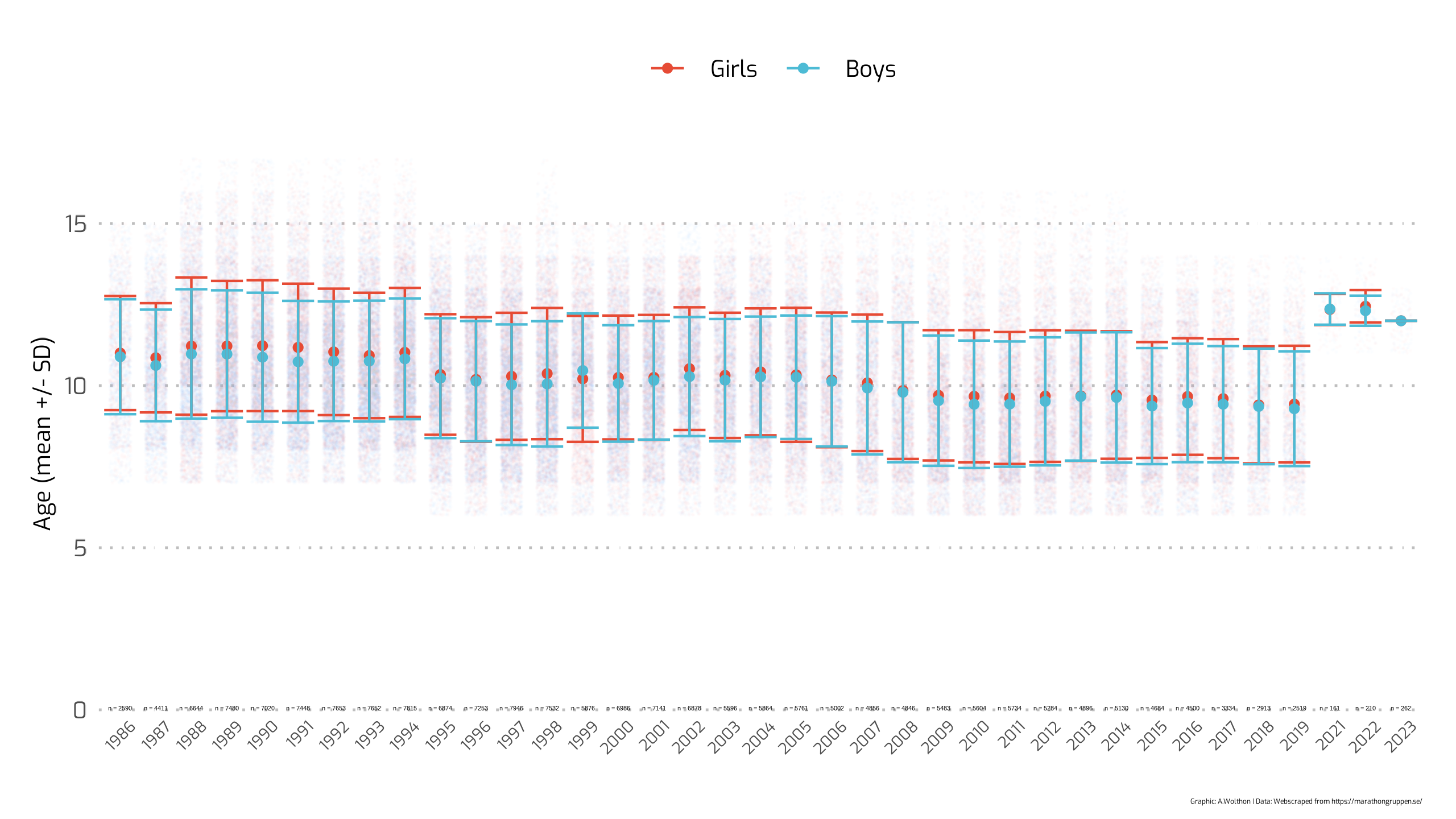
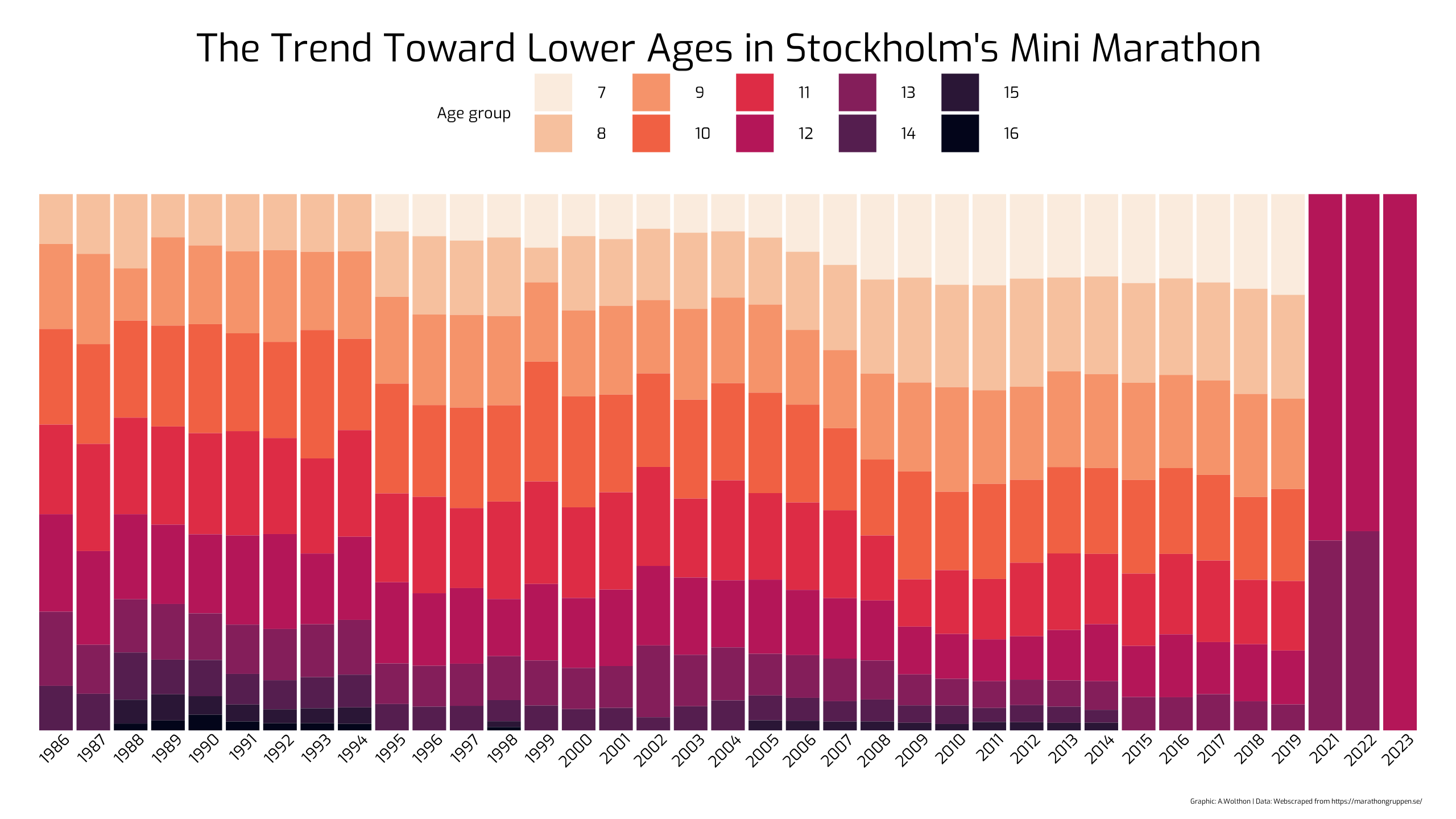
The Stockholm Mini Marathon has historically attracted more boys than girls, although the sex gap is smaller compared to the adult marathon. This suggests a more balanced participation among young athletes, highlighting the mini marathon’s inclusive nature. Examining participation by year, boys predominantly participated from 1986 to 2007. However, from 2007 onward, the sex proportions have nearly equalized, with girls even outnumbering boys in six different years. Despite this trend towards sex balance, overall participation has declined since 2011, with a sharp drop in recent years (2021-2023). This decline may be due to actual decreased participation or issues with the official online records. The absence of data for 2020 likely reflects the impact of the COVID-19 pandemic.


Race Distances
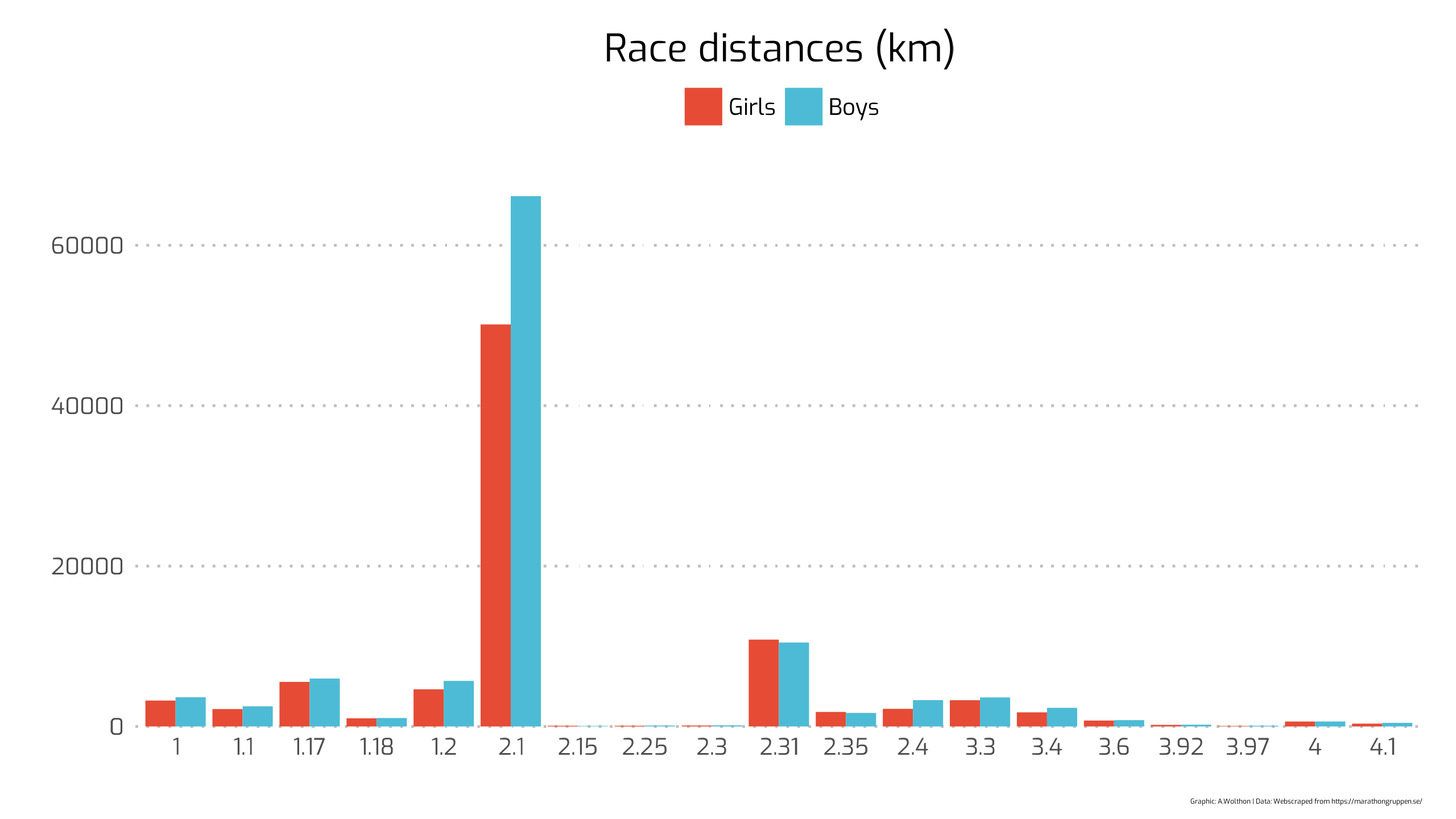
A breakdown of race distances shows that 2.1 km is the most common distance, although races range from 1 km to 4.1 km. This variety accommodates different age groups and skill levels, ensuring that the event remains accessible to a wide range of participants.
Running Speed Analysis
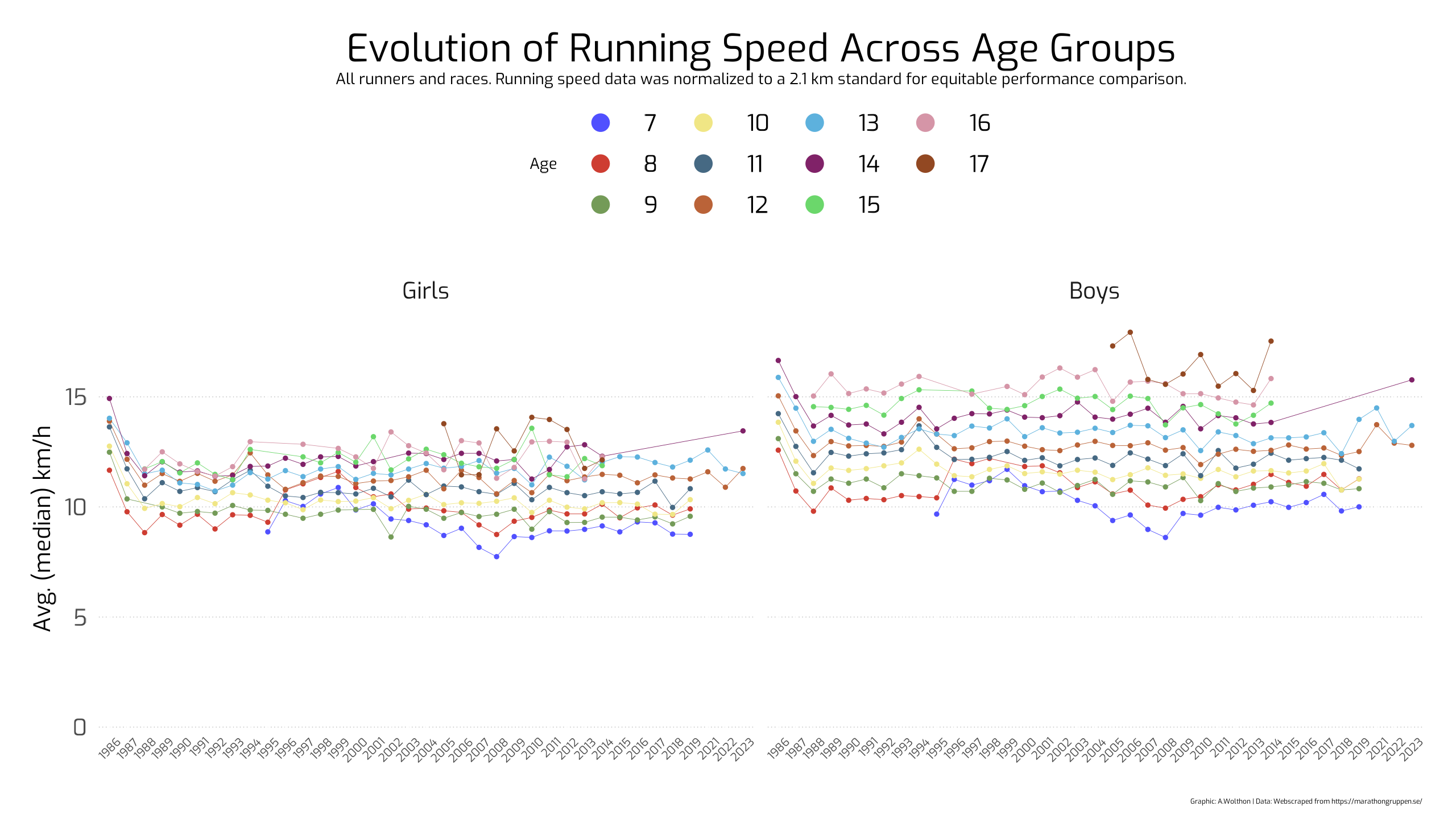
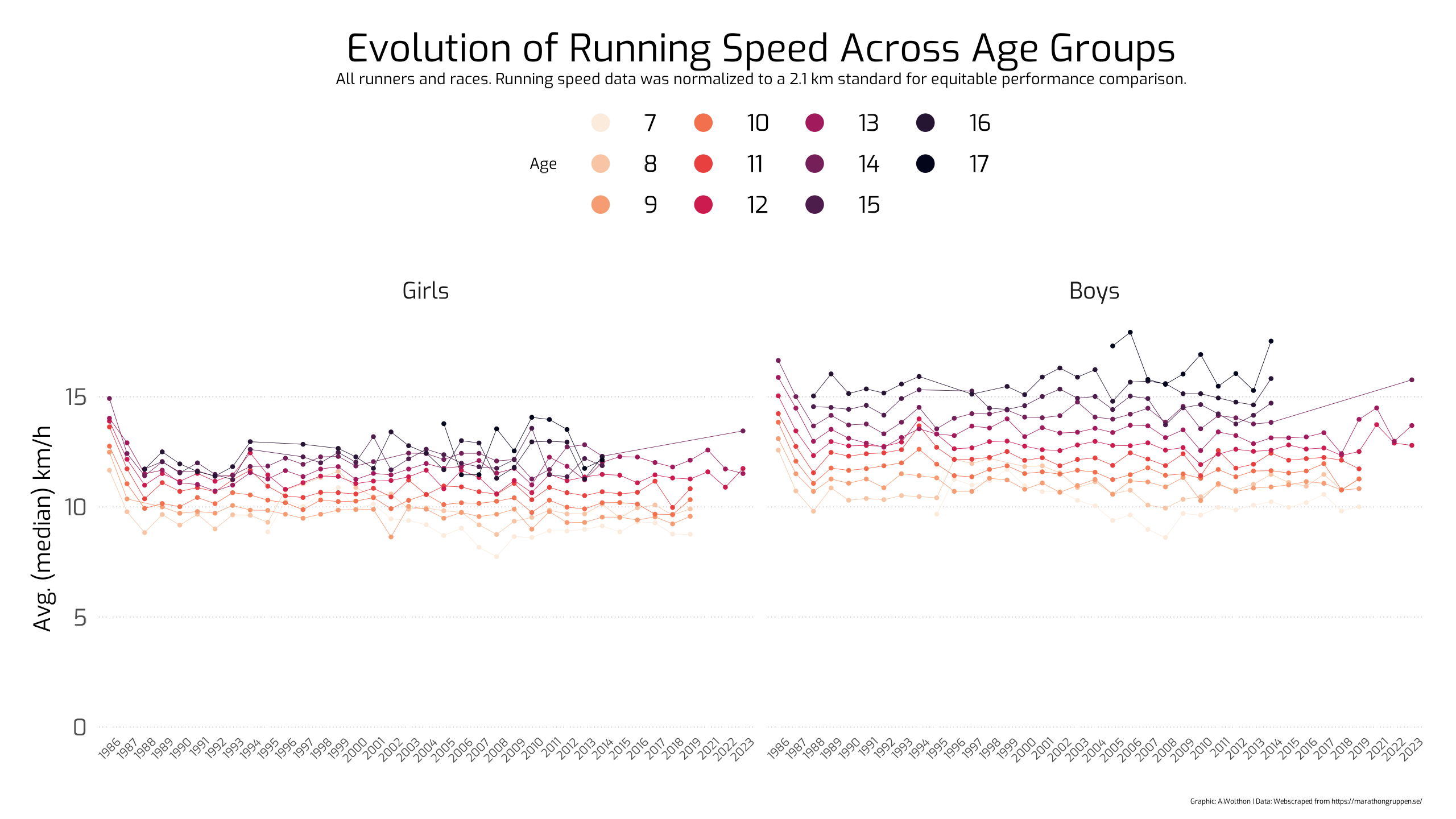
Running speed increases almost linearly with age. Older participants tend to run faster, reflecting the natural physical development and endurance improvements associated with puberty. When analyzing the same data but stratified by sex, boys outperform girls, with a greater increase in speed as boys age. This suggests that boys may experience a more pronounced physical performance boost from puberty compared to girls. Both boys and girls do show improved performance with age, but sex differences are evident. For example, 10 to 11-year-old boys perform on par with 13-year-old girls, and 7-year-old boys run only slightly slower than 10-year-old girls. These differences could also be influenced by varying levels of commitment and motivation, as boys could potentially be more competitive or focused on winning.


Conclusion
The Stockholm Mini Marathon provides valuable insights into youth participation in running events, revealing important trends in sex participation, age distribution, and running speed. The data clearly shows that while boys and girls participate in roughly equal numbers, there are notable differences in running speeds between them. Boys tend to experience a more pronounced increase in physical performance as they age, likely due to the effects of puberty, which enhances strength and endurance more significantly in boys compared to girls.
These differences in strength and endurance development have broader implications for ongoing discussions about gender and inclusion in sports, especially concerning the inclusion of DSD- or transgender athletes. Understanding how physiological changes during puberty impact performance can inform policy and decision-making in sports to ensure fairness and inclusivity. As debates continue about how best to accommodate DSD- and transgender athletes, data-driven insights like those from the Stockholm Mini Marathon could lend a hand in shaping informed and equitable sports policies.